



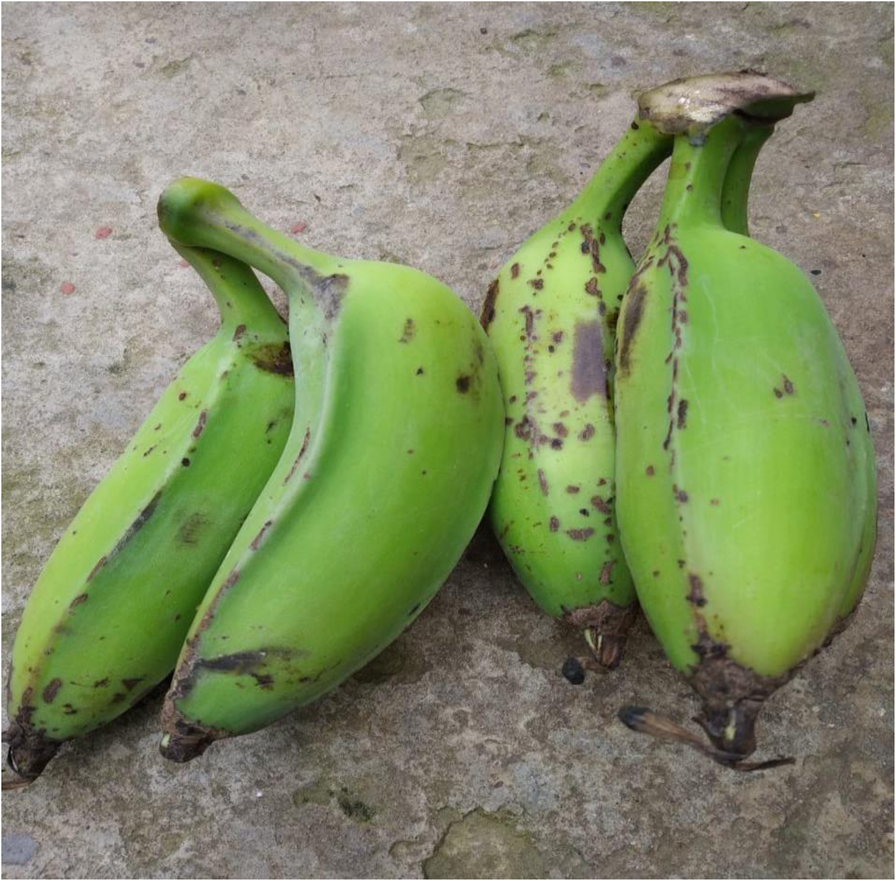
Kas Kol 500 grams


Original price was: ₹299.00.₹250.00Current price is: ₹250.00.
Kas Kol Banana of Assam
The Kas Kol banana is a traditional variety of banana native to the northeastern Indian state of Assam. This indigenous banana cultivar holds both agricultural and cultural significance in Assamese life, especially in rural communities where local biodiversity is closely tied to livelihoods and traditional food systems.
🟡 Physical Characteristics
Size & Shape: Kas Kol bananas are typically small to medium-sized, with a slightly curved shape.
Peel & Flesh: The peel is thin and yellowish when ripe, while the flesh inside is soft, creamy-white, and known for its pleasant aroma and sweet taste.
Ripening: It ripens relatively fast and is often consumed fresh or used in traditional recipes.
🍽️ Culinary Use
Often eaten as a table banana, it is popular in Assamese households for breakfast or snacks.
In some regions, it’s also used in ritual offerings and local delicacies.
Due to its soft texture and digestive qualities, it is often fed to children and the elderly.
🌾 Agricultural Importance
The Kas Kol banana is grown mostly by small-scale farmers in Assam, often in home gardens or mixed cropping systems.
It thrives well in Assam’s humid subtropical climate, needing minimal chemical input, making it an ideal fruit for organic and sustainable agriculture.
🌿 Cultural Significance
In Assamese culture, bananas are more than just fruit—they are a part of religious offerings, traditional medicine, and local festivals.
Though not as commercially dominant as other varieties (like the Cavendish), Kas Kol holds sentimental and ecological value for locals who are keen on preserving native varieties.
🌍 Conservation & Challenges
With the increasing dominance of hybrid and commercial banana types, indigenous varieties like Kas Kol are facing threats of genetic erosion.
Efforts by local farmers, researchers, and NGOs are being made to document, preserve, and promote such traditional varieties through seed banks, farmer exchange programs, and agrobiodiversity campaigns.
Related Products
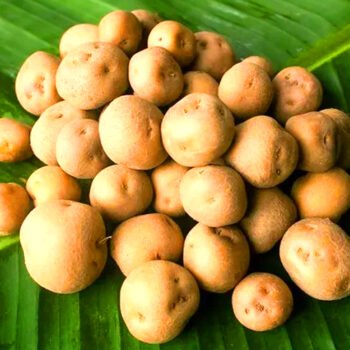
Guti Aloo (গুটি আলু) is a small, native variety of potato commonly found in Assam, India. It is known for its tiny size, rich taste, and smooth texture, making it a favorite among Assamese households. Unlike the regular large potatoes, Guti Aloo is often grown in traditional farming systems and home gardens, requiring minimal maintenance.
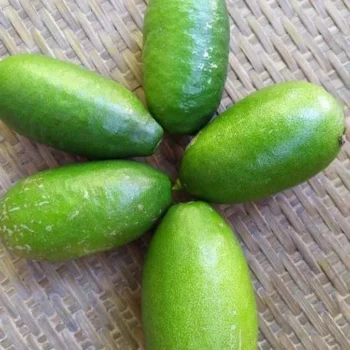
Assam Lemon, locally known as Kazi Nimbu, is a large-sized aromatic citrus fruit from Assam, valued for its tangy flavour, high juice content, and refreshing aroma. Widely used in Assamese cuisine and beverages.
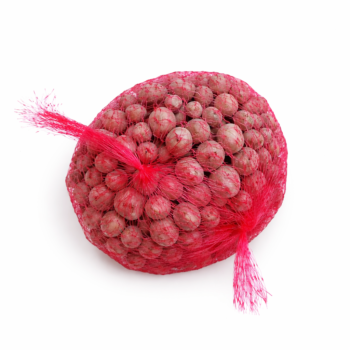

Kazi nimbu is the Assamese name for the Assam lemon, which is the official state fruit of Assam. It’s also known as nemu tenga in Assamese.
72 in stock
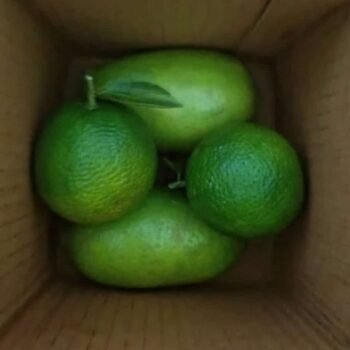
Gol Nemu : 2 pieces
Kazi Nimbu : 2 pieces
Source: Assam
Out of stock

Kath Aalu is a variety of wild yam (Dioscorea species) found in Assam and other parts of Northeast India. It is known for its hard texture, earthy flavor, and rich nutritional value. Traditionally, Kath Aalu is used in rural Assamese cuisine and is often consumed during fasting, traditional rituals, and winter months due to its high energy content.
Out of stock

The elephant apple, also known as Ou Tenga in Assamese, is a large, knobby fruit that is a staple of Assamese cuisine. It’s a key ingredient in fish curries and is also used to make pickles.

Guti Kosu is a distinctive variety of colocasia (taro) found in Assam, India. It is known for its small, round corms (roots) and tender stalks, which are widely consumed in Assamese cuisine. This variety of colocasia thrives in the warm and humid climate of Assam and is cultivated mainly in home gardens and small farms.
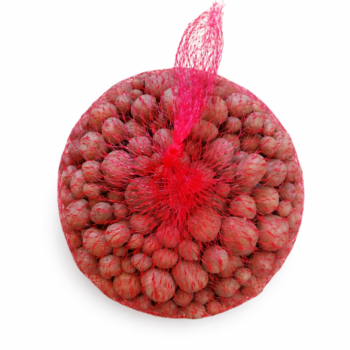
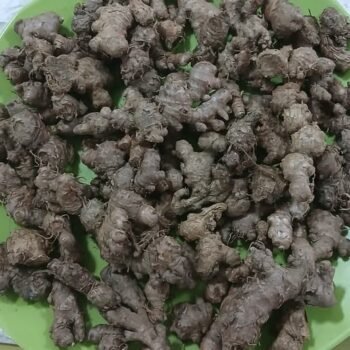
Black Ginger is a rare ginger variety known for its dark inner flesh and traditional health benefits. Commonly used in herbal preparations, it supports vitality, digestion, and overall wellness
Out of stock
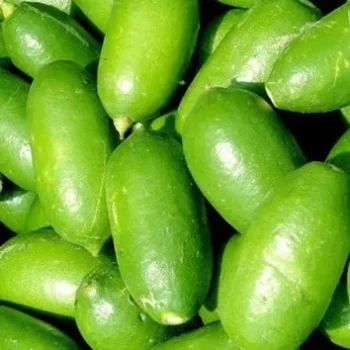
Assam Lemon Kazi Nimbu, locally known as Kazi Nemu, is a large-sized aromatic citrus fruit from Assam, valued for its tangy flavour, high juice content, and refreshing aroma. Widely used in Assamese cuisine and beverages.
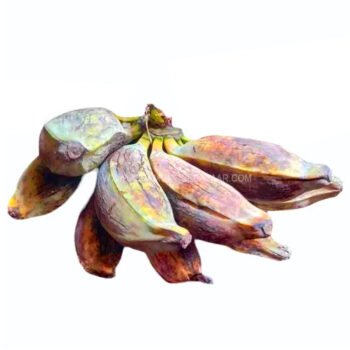
Bhim Kol is a unique variety of banana found in Assam, India. It is known for its large size, distinctive taste, and high nutritional value.



Reviews
There are no reviews yet.