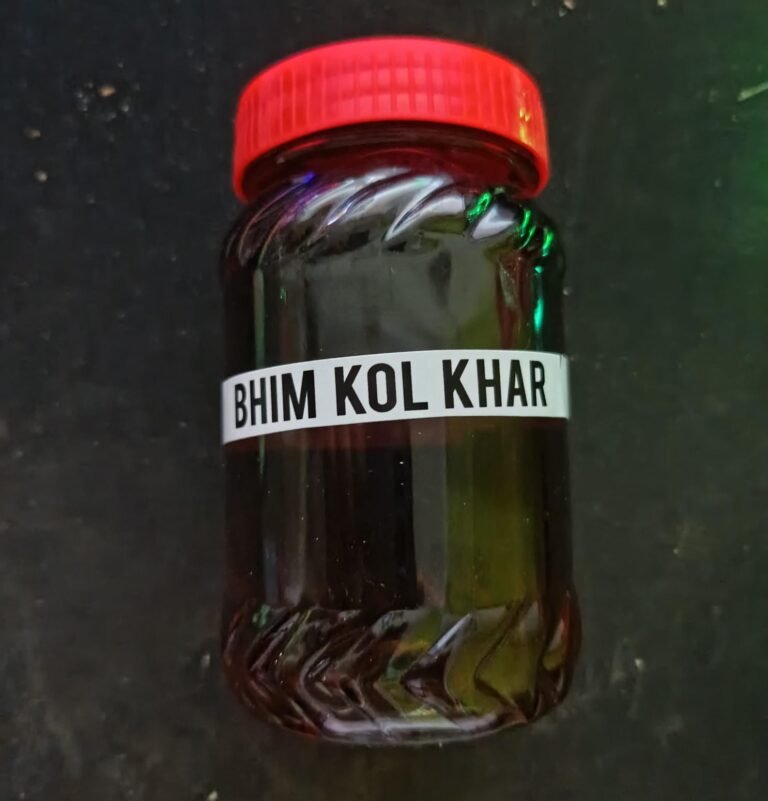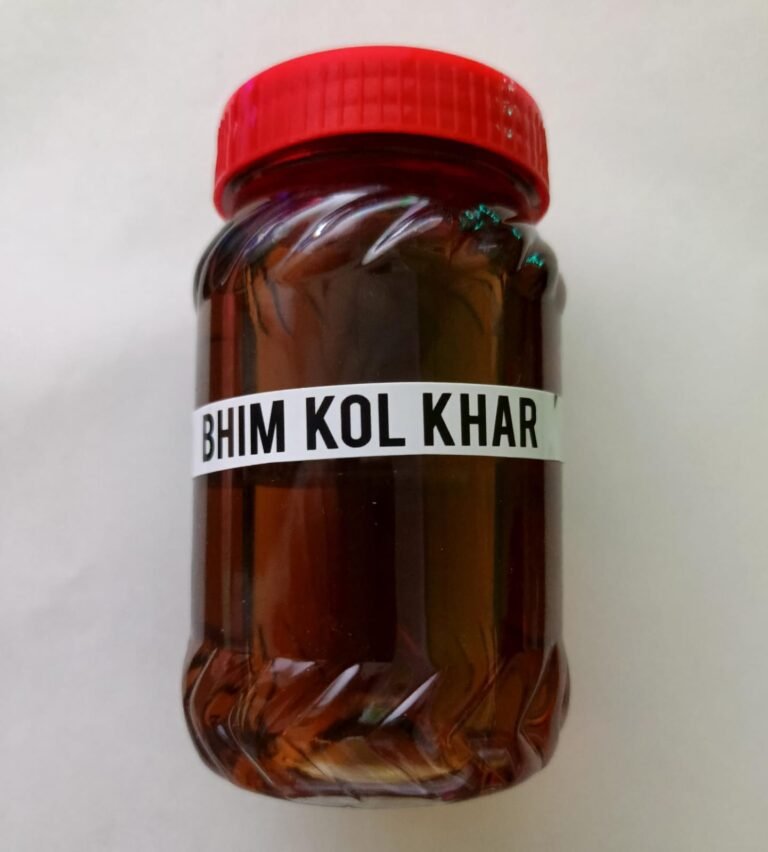

Among the many unique food traditions of Assam, Bhim Kol Khar stands apart as one of the most distinctive and culturally significant dishes. Simple in appearance yet profound in meaning, this dish reflects Assam’s deep relationship with nature, sustainability, and traditional wisdom.
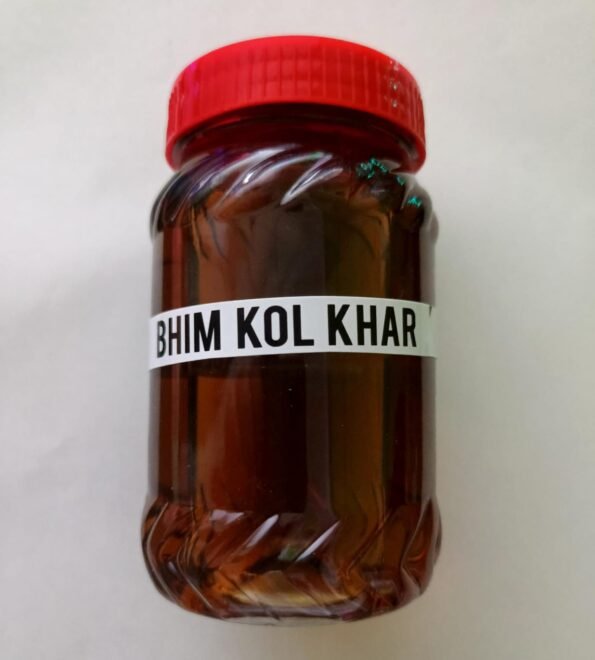
Khar is not just food in Assam—it is an identity. And Bhim Kol Khar represents the most indigenous form of that identity. Khar is a unique alkaline dish from Assam, India, traditionally made by filtering water through the sun-dried peel of a banana stem, usually the “bhim kol” variety. It’s an ancient culinary technique that has been passed down for generations
🌿 What Is Bhim Kol Khar?
Bhim Kol Khar is a traditional Assamese dish prepared using khar, an alkaline extract made from the ash of dried banana plant parts—specifically from the Bhim Kol (a large indigenous banana variety of Assam).
The dish is usually light, mildly alkaline in taste, and served as the first course in a traditional Assamese meal.
- Bhim Kol = indigenous banana variety
- Khar = alkaline filtrate made from banana ash
🍌 Why Bhim Kol Is Special
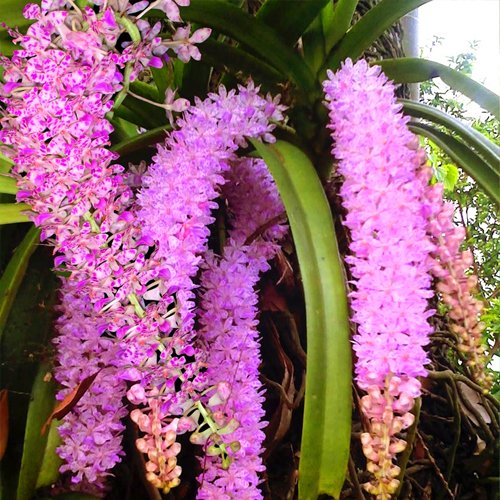
The Bhim Kol plant is not an ordinary banana plant. Almost every part of it is used:
- Stem → cooked as vegetables
- Fruit → eaten ripe or raw
- Peel & trunk → dried and burned to make khar
Nothing is wasted. This zero-waste approach is central to Assamese food philosophy.
Kol Khar is the alkaline extract from the ashes of burnt dried banana peels. The banana variety commonly used is Musa balbisiana, locally known as the Bhimkol or Athiyakol. This unique banana plant is described to have seeds the size of black pepper, and the tree is known to be taller than most varieties.
🔥 How Khar Is Traditionally Made
The preparation of khar is an ancient process passed down through generations:
- Dried Bhim Kol peels or trunk are burned into ash
- The ash is filtered through water
- A clear alkaline liquid is extracted
- This liquid is used sparingly in cooking
This alkaline solution gives Bhim Kol Khar its distinctive taste and cultural value.
🍲 What Does Bhim Kol Khar Taste Like?
The taste is:
- Mildly alkaline
- Clean and earthy
- Not spicy
- Light on the stomach
It is often cooked with simple ingredients like raw papaya, lentils, or banana stem, allowing the khar to remain the star.
🧘 Cultural Importance of Khar in Assamese Meals
In a traditional Assamese thali:
- Khar is served first
- Followed by lentils, vegetables, fish, and meat
Serving khar first is symbolic—it prepares the palate and reflects discipline, balance, and tradition.
🌱 A Sustainable Food Practice
Bhim Kol Khar represents:
- Zero-waste cooking
- Seasonal eating
- Local sourcing
- Indigenous knowledge
Long before sustainability became a global conversation, Assamese kitchens practiced it naturally.
📜 Bhim Kol Khar in Assamese Identity
Khar is often described as something that cannot be replicated outside Assam—not because ingredients are rare, but because the cultural understanding behind it is unique.
For Assamese people living outside the state, khar is deeply nostalgic. It represents:
- Home
- Roots
- Simplicity
- Cultural pride
🌏 Preserving Traditional Knowledge
As modern diets replace traditional foods, dishes like Bhim Kol Khar risk being misunderstood or forgotten. Blogs and cultural platforms such as Assam Online Bazaar’s knowledge section play a key role in documenting and sharing these traditions for future generations.
🌿 Final Thoughts
Bhim Kol Khar is not about complexity or richness—it is about balance, respect for nature, and ancestral wisdom. It reminds us that some of the most powerful food traditions come from simplicity.
In Assam, khar is not just cooked—it is honored.