
Introduction: Assam’s Fragrant Treasure
Assam is globally known for its tea, but another agricultural gem from this northeastern state has been quietly winning hearts across the world — Joha Rice. Revered for its natural aroma, soft texture, nutritional richness, and cultural significance, Joha rice occupies a special place in Assamese households and gourmet kitchens alike.
So, why is Joha rice of Assam famous worldwide?
The answer lies in a rare combination of unique agro-climatic conditions, indigenous rice varieties, traditional farming practices, and exceptional sensory qualities that cannot be replicated elsewhere.
1. What Is Joha Rice?
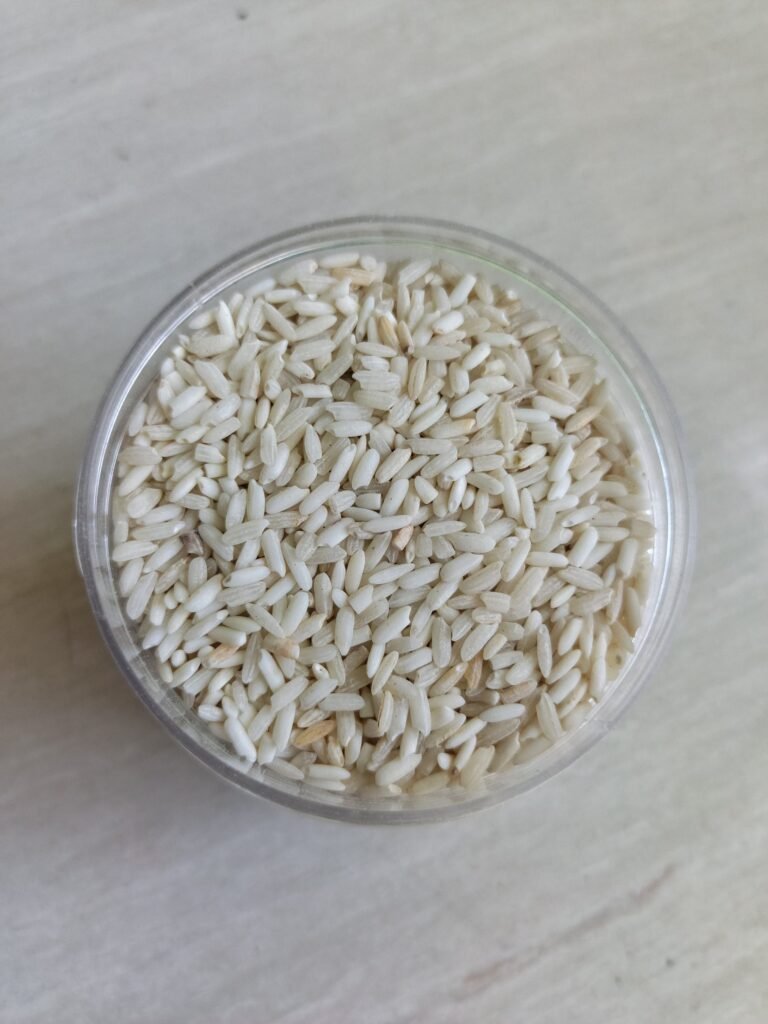
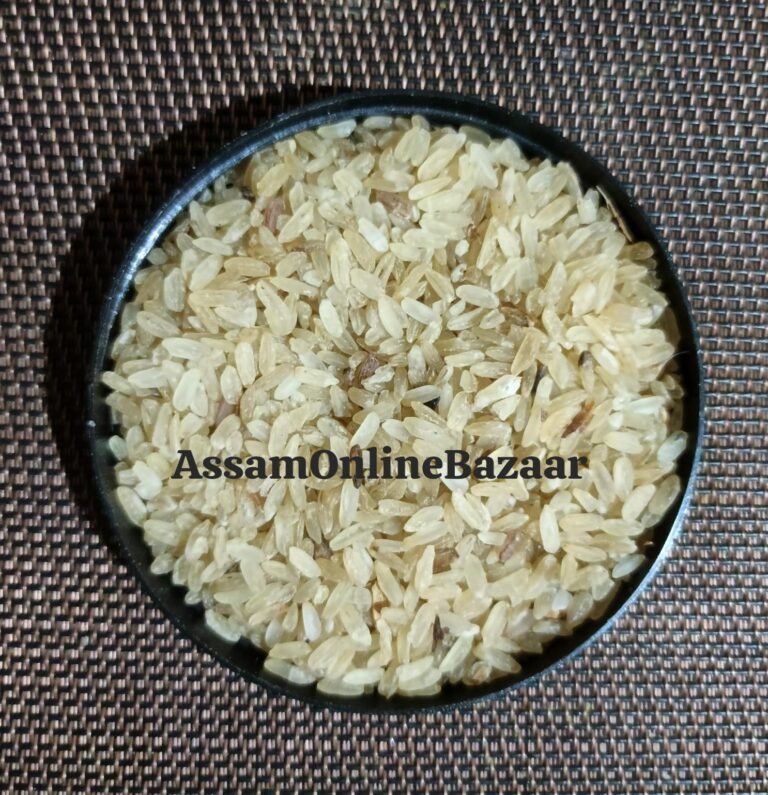
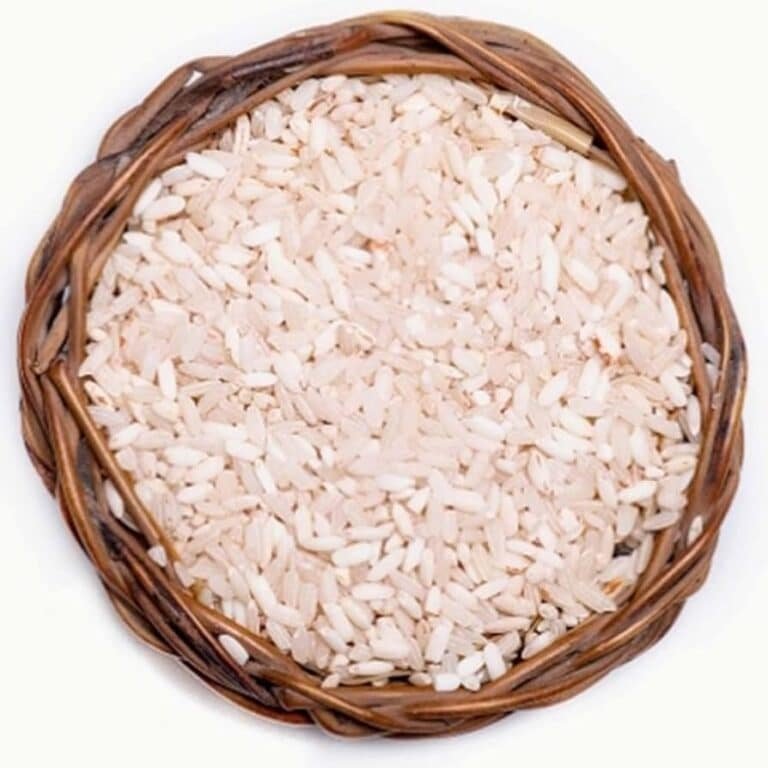
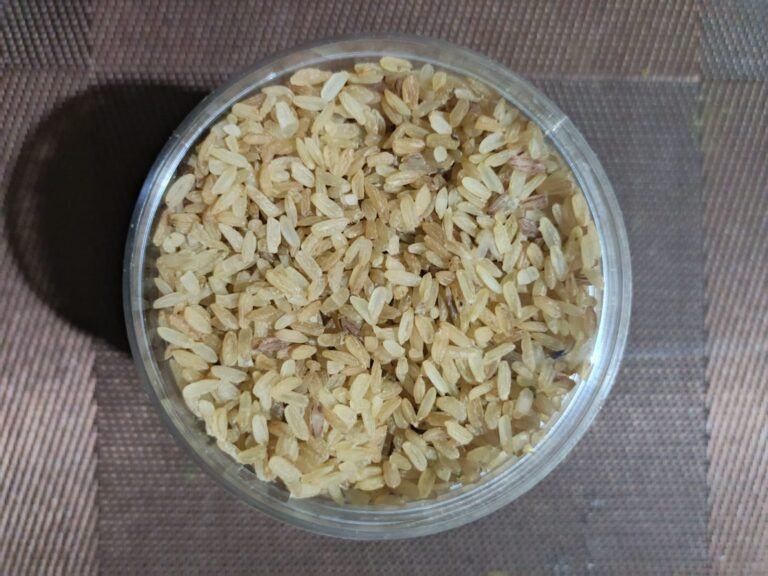
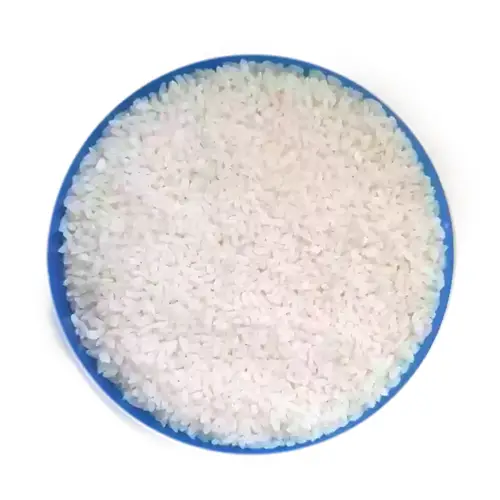
Joha rice is a short-grain, aromatic rice variety indigenous to Assam. The word “Joha” in Assamese means fragrant, which perfectly describes its most celebrated quality — a sweet, pleasing aroma released naturally during cooking.
Unlike basmati rice, Joha rice:
- Has shorter grains
- Is less starchy
- Offers a soft, fluffy texture
2. Unique Aroma That Sets Joha Rice Apart
The most distinctive feature of Joha rice is its natural fragrance, which is:
- Mild and sweet
- Not overpowering
- Present even before cooking
Why the Aroma Is Special
- Comes from natural genetic traits, not artificial enhancement
- Influenced by Assam’s humid climate and fertile soil
- Retained even after polishing
This unique aroma makes Joha rice highly sought after in international specialty food markets.
3. Indigenous Varieties of Joha Rice
Assam has several indigenous Joha rice varieties, including:
- Kola Joha
- Boga Joha
- Ronga Joha
- Keteki Joha
Each variety differs slightly in aroma intensity, grain color, and texture, but all share the signature Joha fragrance.
4. Assam’s Agro-Climatic Advantage
Joha rice thrives exclusively in Assam due to its unique environment:
Key Factors:
- Alluvial soil enriched by the Brahmaputra River
- High humidity and rainfall
- Moderate temperature range
- Traditional seed preservation methods
These conditions create a terroir similar to wine-growing regions, making Joha rice impossible to replicate outside Assam.
5. Nutritional Benefits of Joha Rice
Joha rice is not just aromatic—it’s also nutritionally superior to many commercial rice varieties.
Health Benefits:
- Low to medium glycemic index
- Easy to digest
- Rich in antioxidants
- Naturally gluten-free
- Contains essential minerals like iron and zinc
Because of its light texture and digestibility, Joha rice is often recommended for:
- Elderly people
- Children
- Health-conscious consumers
6. GI Tag Recognition: Global Authenticity
Joha rice has received the Geographical Indication (GI) tag, which:
- Confirms its origin from Assam
- Protects farmers from imitation products
- Increases global credibility and demand
The GI tag has played a crucial role in introducing Joha rice to international gourmet and organic food markets.
7. Cultural Significance in Assamese Life
Joha rice is deeply woven into Assamese culture and traditions.
Used In:
- Festive meals
- Religious offerings
- Traditional dishes like Joha bhaat
- Ceremonial feasts and weddings
For Assamese families, Joha rice is not just food—it is heritage on a plate.
8. Traditional Farming Practices
Most Joha rice is grown using:
- Low-chemical or organic methods
- Indigenous seeds preserved for generations
- Manual harvesting and sun drying
These sustainable practices enhance:
- Grain quality
- Aroma retention
- Environmental balance
This appeals strongly to global organic food consumers.
9. Rising Global Demand for Joha Rice
Joha rice is gaining popularity in:
- Europe
- Middle East
- United States
- Southeast Asia
Why International Buyers Love It:
- Unique aroma not found in other rice
- GI-certified authenticity
- Premium health appeal
- Ideal for gourmet cuisine
It is now featured in luxury restaurants and specialty food stores worldwide.
10. Joha Rice vs Basmati Rice
| Feature | Joha Rice | Basmati Rice |
|---|---|---|
| Grain Size | Short | Long |
| Aroma | Sweet, mild | Strong, nutty |
| Texture | Soft, fluffy | Separate, firm |
| GI Tag | Assam-specific | Multiple regions |
| Best Use | Daily meals, festivals | Biryani, pulao |
11. Why Joha Rice Is a Premium Product
Joha rice commands a higher market value because:
- Limited cultivation area
- Lower yield compared to hybrid rice
- Labor-intensive farming
- High international demand
This premium status helps uplift rural farmers in Assam.
Conclusion: Assam’s Aromatic Ambassador
Joha rice is famous worldwide because it represents the perfect blend of nature, tradition, nutrition, and authenticity. Its gentle fragrance, health benefits, and cultural richness make it one of India’s most treasured rice varieties.
At AssamOnlineBazaar.com, we are proud to bring you authentic GI-tagged Joha rice, sourced directly from Assamese farmers—ensuring purity, freshness, and tradition in every grain.
🌾 Taste Assam’s heritage. Experience the magic of Joha Rice.