
Introduction: Bihu and the Celebration of Food | Traditional food prepared during Bihu
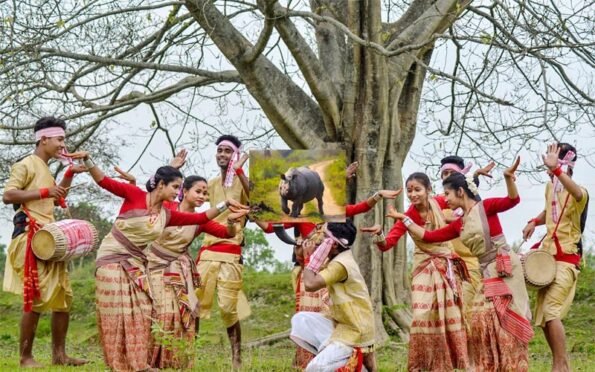
Bihu is the most important and joyous festival of Assam, celebrated three times a year — Rongali (Bohag) Bihu, Kongali (Kati) Bihu, and Bhogali (Magh) Bihu. While dance, music, and rituals are integral parts of Bihu, traditional food plays a central role in the celebrations.
Bihu food represents:
- Agricultural abundance
- Gratitude to nature
- Community bonding
- Assamese culinary heritage
Most Bihu delicacies are made using rice, sesame, jaggery, coconut, and milk, reflecting Assam’s agrarian lifestyle.
Importance of Food in Bihu Celebrations
Food during Bihu is not just about taste — it is symbolic.
- Rice signifies prosperity
- Milk represents purity
- Jaggery symbolizes sweetness in life
- Sesame is associated with warmth and energy
Preparing and sharing food strengthens family ties and preserves age-old culinary traditions.
1. Pitha – The Soul of Bihu Cuisine
Pitha is the most iconic food prepared during Bihu. These rice-based delicacies are prepared in many forms, especially during Bhogali Bihu.
Common Types of Bihu Pitha
Til Pitha
- Stuffed with roasted sesame and jaggery
- Cylindrical in shape
- Cooked on earthen or iron pans
Narikol Pitha
- Filled with grated coconut and jaggery
- Soft, mildly sweet
Ghila Pitha
- Deep-fried rice flour dumplings
- Crispy outside, soft inside
Tekeli Pitha
- Steamed pitha cooked in earthen pots
- Soft texture and rich aroma
Pitha-making is often a community activity, where families gather and prepare together.
2. Laru – Traditional Assamese Sweets
Laru are traditional sweet balls made during Bihu and other festivals.
Popular Varieties of Laru
Til Ladoo
- Made from roasted sesame seeds and jaggery
- Rich in energy and warmth
Narikal Laru
- Coconut-based sweet balls
- Soft and mildly sweet
Laru are easy to store and often offered to guests during Bihu visits.
3. Jolpan – The Traditional Assamese Breakfast
Jolpan is an essential part of Bihu food culture, especially during Rongali Bihu mornings.
Common Jolpan Items
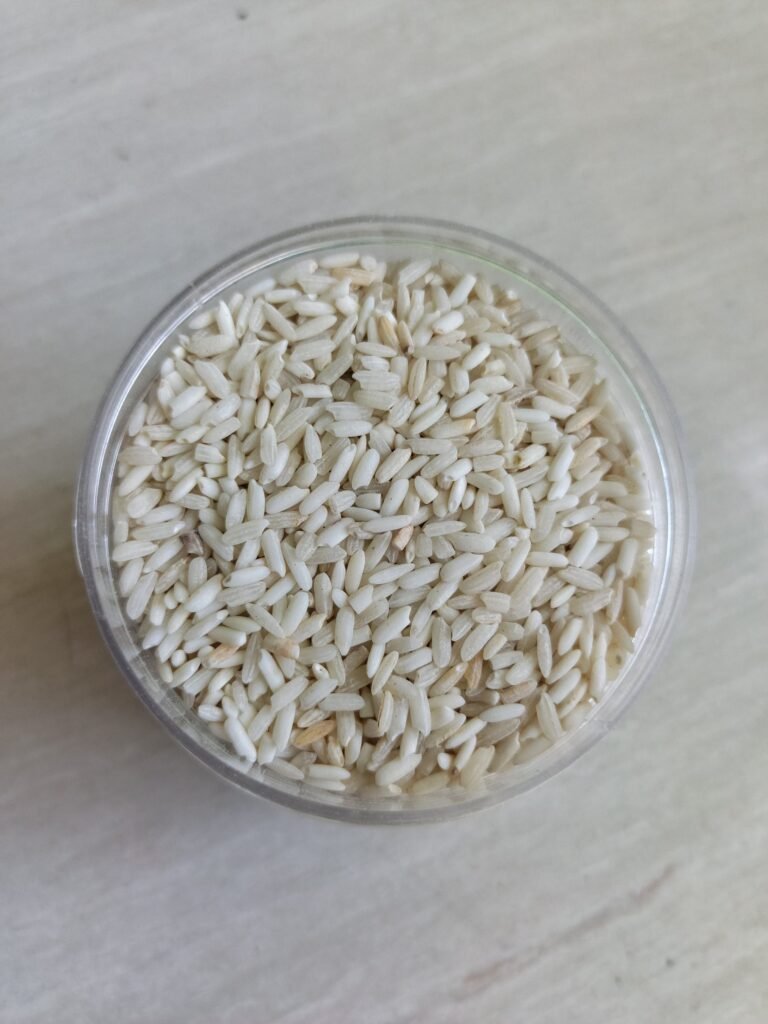
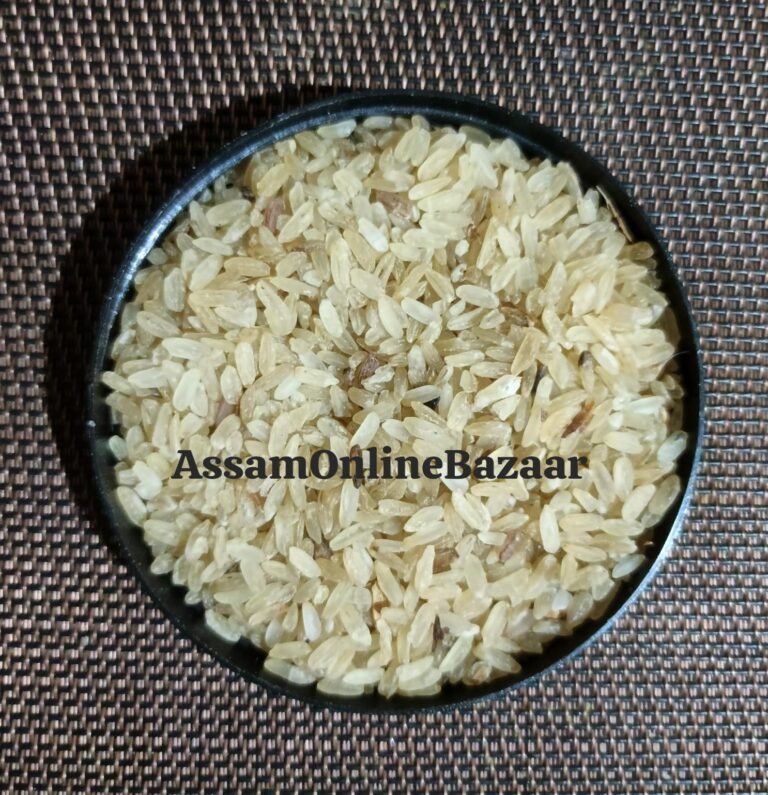
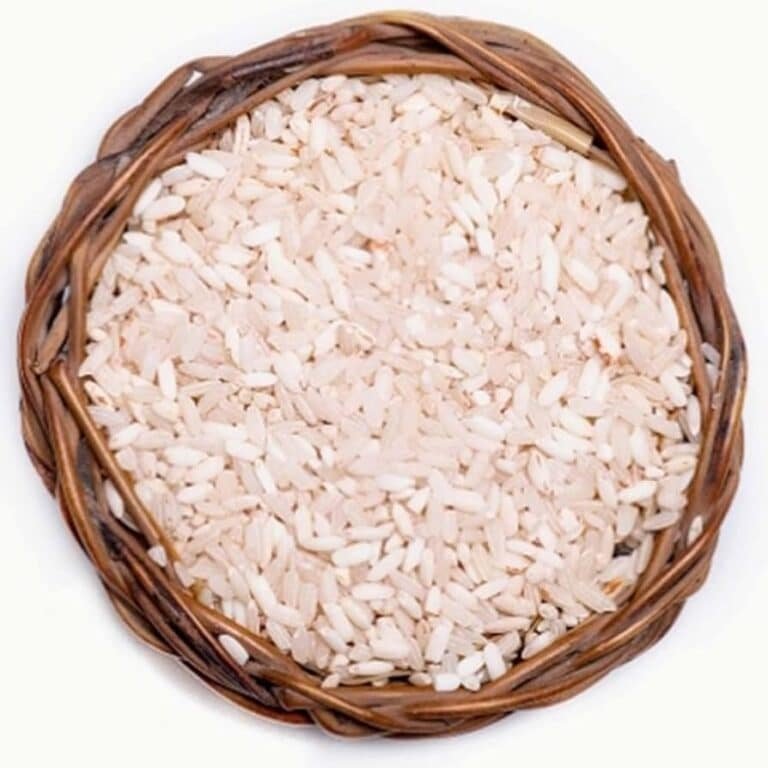
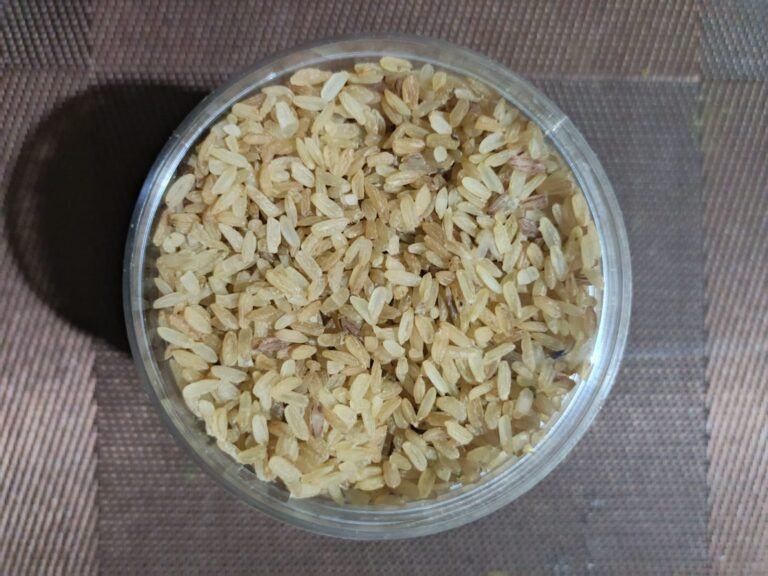
- Bora Saul (sticky rice)
- Chira (flattened rice)
- Hurum (puffed rice)
- Curd, milk, jaggery, and banana
Jolpan is light, nutritious, and deeply rooted in Assamese tradition.
4. Traditional Rice Varieties Used During Bihu
Rice is the backbone of Assamese cuisine, and special rice varieties are used during Bihu.
Key Rice Types
- Bora Saul – Sticky rice
- Komal Saul – Soft rice soaked in water
- Chira – Flattened rice
These rice forms require minimal cooking and are perfect for festive meals.
5. Bhogali Bihu Feast (Uruka Night Food)
Bhogali Bihu is all about food and feasting. The night before Magh Bihu, known as Uruka, families gather around bonfires and enjoy a grand meal.
Common Uruka Dishes
- Rice and dal
- Fresh vegetables
- Fish curry
- Meat dishes (chicken, duck, pork)
- Pitha and laru
Cooking and eating together symbolize unity and abundance.
6. Fish Dishes During Bihu
Fish is an important part of Assamese meals and is widely prepared during Bihu.
Popular Fish Preparations
- Masor Tenga (sour fish curry)
- Fried freshwater fish
- Light fish curries with local herbs
Fish represents prosperity and is considered auspicious.
7. Use of Seasonal and Local Ingredients
Bihu food focuses on:
- Seasonal produce
- Locally available ingredients
- Minimal spices
This makes the food:
- Healthy
- Sustainable
- Environment-friendly
Traditional cooking methods preserve nutrients and natural flavors.
8. Kongali Bihu and Simple Food Rituals
Kongali Bihu is observed during a lean agricultural period. Food prepared is simple but meaningful.
- Light meals
- Offerings to plants and lamps
- Focus on prayer rather than feasting
This reflects Assamese values of balance and humility.
9. Cultural Significance of Sharing Bihu Food
During Bihu:
- Food is shared with neighbors
- Guests are welcomed with pitha and jolpan
- Community bonding is strengthened
Food becomes a medium of love, respect, and togetherness.
10. Traditional Cooking Methods Used
Bihu food is traditionally prepared using:
- Earthen pots
- Wood-fired stoves
- Iron pans
These methods add a distinct flavor and preserve authenticity.
Why Traditional Bihu Food Is Still Relevant Today
Even in modern times, Bihu food remains relevant because:
- It is nutritious and natural
- It connects people to roots
- It promotes slow and mindful eating
- It preserves cultural identity
Many Assamese families continue these traditions despite urban lifestyles.
Conclusion: Bihu Food – A Celebration of Life and Culture
Traditional food prepared during Bihu reflects the soul of Assam. From pitha and laru to jolpan and festive feasts, each dish carries history, gratitude, and joy.
Bihu cuisine is not just about eating — it is about celebrating harvest, honoring tradition, and sharing happiness.
At AssamOnlineBazaar.com, we celebrate and promote the rich culinary heritage of Assam, keeping traditions alive for future generations.
🌾 Celebrate Bihu with tradition. Taste the culture of Assam.