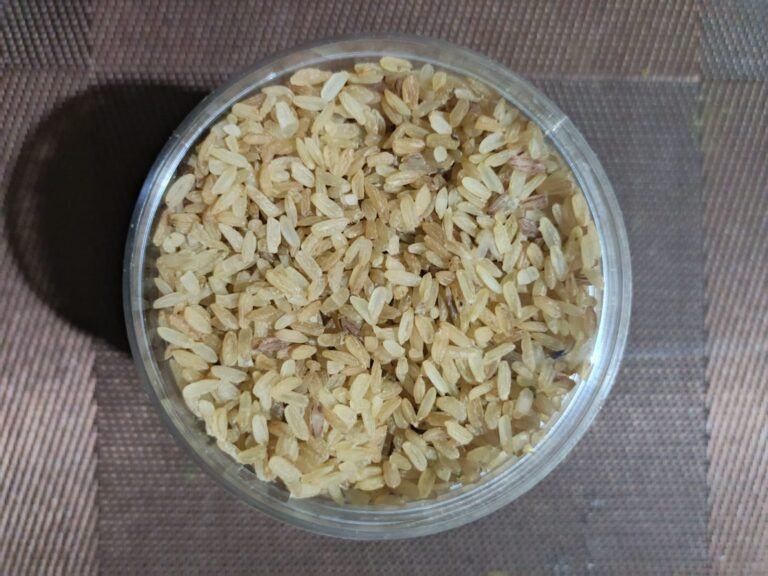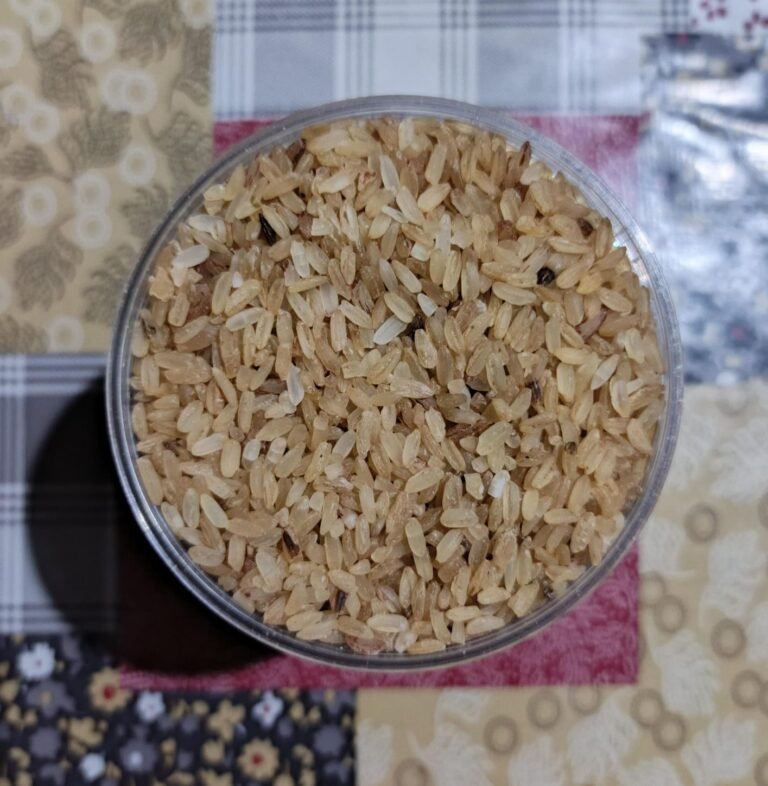

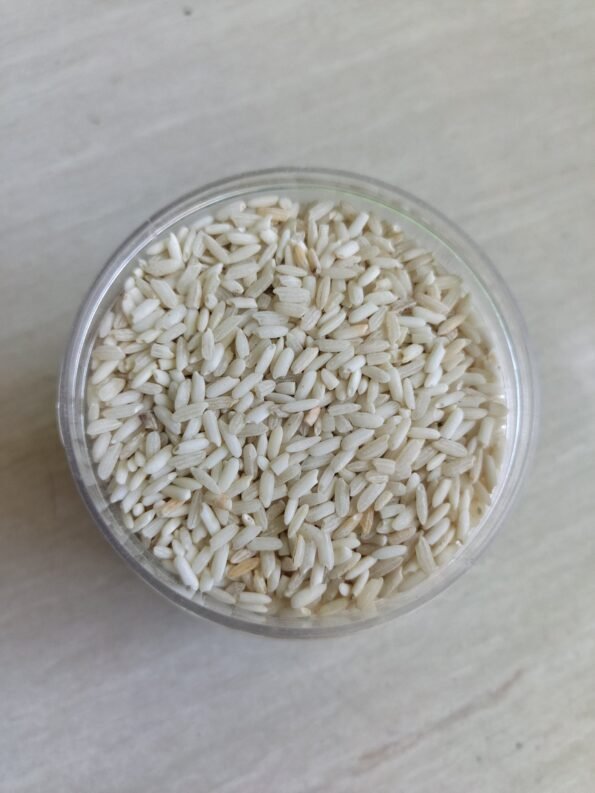
Sticky Rice Texture :
Sticky rice isn’t just a culinary curiosity — its unique texture is rooted deeply in food science. What makes sticky rice cling together while regular rice stays fluffy? The answer lies in starch chemistry.
🍚 It’s All About Starch
Rice grains are primarily made of two starch molecules:
1. Amylose
- Linear structure
- Creates a fluffy, separate texture
- Found in higher amounts in regular rice
2. Amylopectin
- Highly branched structure
- Responsible for stickiness
- Dominant in sticky rice
Sticky rice contains very low amylose and very high amylopectin.
👉 This imbalance is the core reason behind its signature texture.
🔥 What Happens During Cooking
When sticky rice is heated with water:
✔ Starch granules absorb moisture
✔ Granules swell and gelatinize
✔ Amylopectin molecules loosen and expand
✔ Surface becomes glossy and adhesive
Because amylopectin has a branched structure, it forms a gel-like network that traps moisture.
Result?
✨ Soft
✨ Chewy
✨ Naturally sticky grains
🧬 Why Regular Rice Behaves Differently
Rice varieties rich in amylose:
✔ Form firmer structures
✔ Release less surface starch
✔ Resist clumping
✔ Stay separate after cooking
Amylose molecules align tightly, preventing the gooey cohesion seen in sticky rice.
💡 The Molecular Reason for Stickiness : Sticky Rice Texture
Amylopectin molecules:
✔ Branch extensively
✔ Create entangled networks
✔ Bind water efficiently
✔ Produce that elastic, cohesive texture
This is why sticky rice feels:
👉 Slightly chewy
👉 Smooth
👉 Pleasantly clingy
🌾 Why Some Traditional Rice Varieties Are Naturally Sticky
Many heritage rice varieties — including certain Assamese rice types — evolved with higher amylopectin levels.
These varieties are:
✔ Naturally glutinous (despite being gluten-free)
✔ Ideal for molded dishes
✔ Perfect for sushi-style preparations
✔ Excellent for desserts & festive foods
✨ Texture Is Science, Not Magic
Sticky rice texture is not accidental — it’s the result of:
✔ Starch composition
✔ Water absorption
✔ Heat-induced gelatinization
✔ Molecular restructuring
In simple terms:
Sticky Rice Texture : More amylopectin = More stickiness
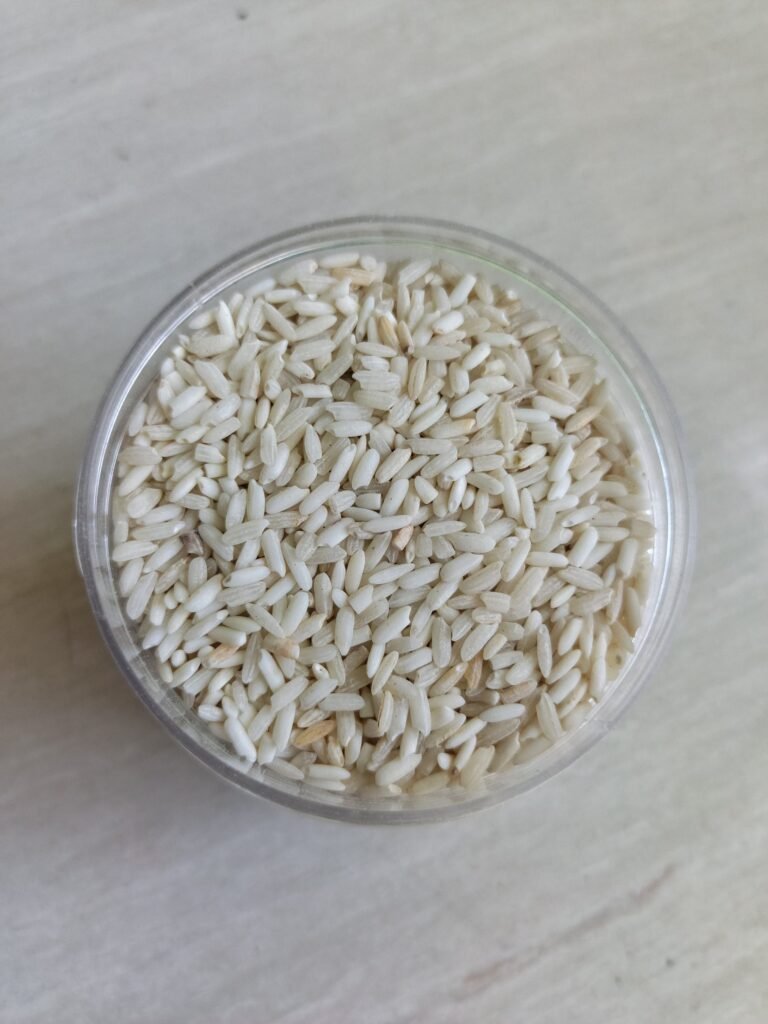
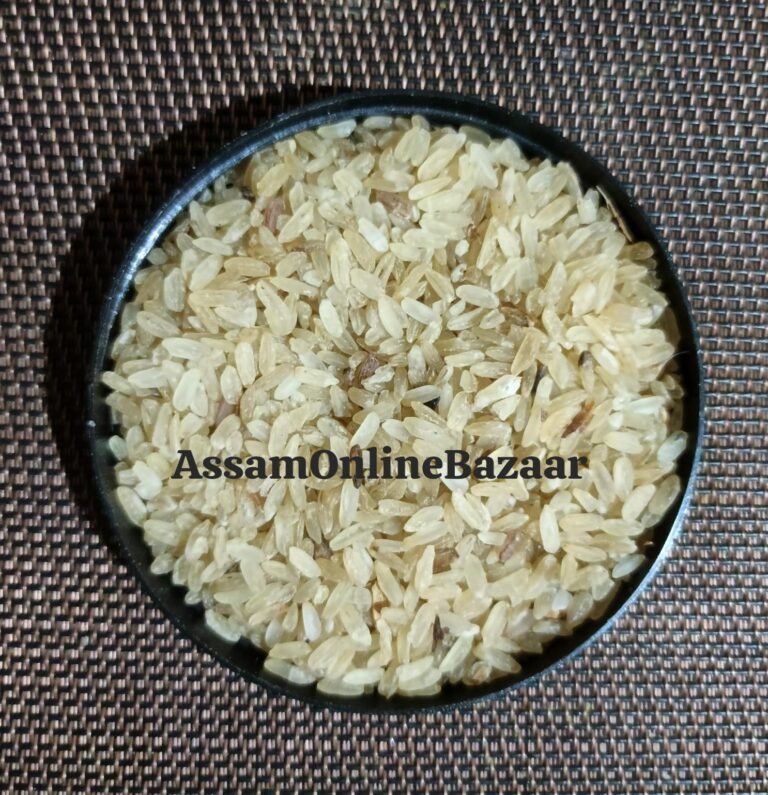
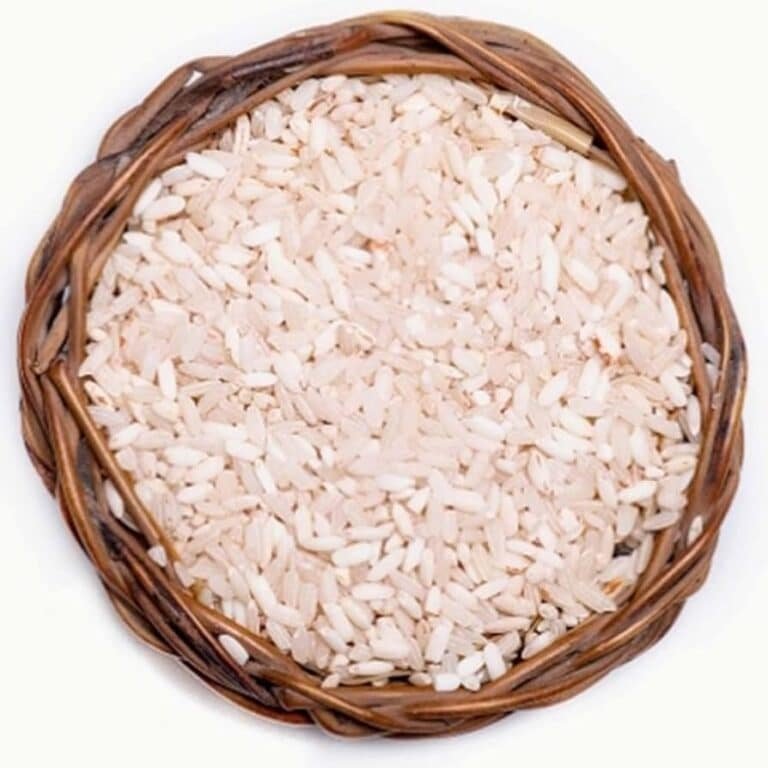
Sticky rice is known for its soft, slightly chewy, and naturally sticky texture after cooking. But what actually makes sticky rice different from regular rice? The answer lies in its starch composition and cooking process.
1. The Role of Starch in Rice : Sticky Rice Texture
All rice contains two main types of starch:
- Amylose
- Amylopectin
The balance between these two determines how rice behaves when cooked.
Regular rice varieties contain a higher amount of amylose, which helps grains remain separate and fluffy after cooking.
Sticky rice, on the other hand, contains very low amylose and a high amount of amylopectin. This high amylopectin content is the key reason sticky rice becomes soft and cohesive.
2. What Happens During Cooking?
When sticky rice is soaked and steamed:
- The grains absorb water.
- Heat causes the starch molecules to swell.
- Amylopectin forms a gel-like structure.
- The grains cling together, creating the signature sticky texture.
Because sticky rice lacks significant amylose, the grains do not separate like basmati or long-grain rice.
3. Why Soaking Is Important
Sticky rice is often soaked before cooking. Soaking:
- Allows water to penetrate the grain evenly
- Helps achieve uniform steaming
- Improves the final soft and cohesive texture
Steaming, rather than boiling, preserves its structure and prevents it from becoming mushy.
4. Texture Differences Compared to Other Rice
| Rice Type | Amylose Level | Texture After Cooking |
|---|---|---|
| Long-grain rice | High | Fluffy & separate |
| Medium-grain rice | Moderate | Slightly soft |
| Sticky rice | Very low | Soft & sticky |
This scientific difference explains why sticky rice is ideal for dishes that require grains to hold together.
5. Why Sticky Rice Is Used in Traditional Foods
The natural stickiness makes it suitable for:
- Steamed rice preparations
- Festive dishes
- Rice cakes
- Traditional regional recipes
Its ability to hold shape makes it perfect for shaping, pressing, or molding.
Conclusion
Sticky Rice Texture: The unique texture of sticky rice is not accidental — it is the result of its low amylose and high amylopectin content. When properly soaked and steamed, the starch structure transforms into the soft, cohesive texture loved in many traditional cuisines.
Understanding this science helps you cook sticky rice perfectly every time.