
Ow Tenga, also known as Elephant Apple, is a traditional Assamese sour fruit used in curries, chutneys, and pickles. Discover its benefits, uses, and heritage.
Ow Tenga, commonly known as Elephant Apple, is one of the most distinctive and culturally significant fruits of Assam and the North-Eastern region of India. Scientifically called Dillenia indica, this large, green, hard-skinned fruit is well known for its sharp sour taste, thick pulp, and versatile use in traditional Assamese cuisine. In Assam, Ow Tenga is more than just a fruit—it is a symbol of heritage, sustainable living, and time-tested culinary wisdom.
At Assam Online Bazaar, we bring you authentic Ow Tenga sourced from natural environments, ensuring freshness, quality, and the preservation of traditional food practices.
What Is Ow Tenga (Elephant Apple)?
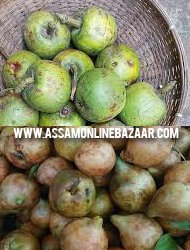
Ow Tenga is a large, round fruit with thick skin and fibrous flesh. The name “Elephant Apple” comes from the fact that elephants are known to eat this fruit in the wild. Unlike sweet fruits, Ow Tenga is naturally sour and is rarely consumed raw. Instead, it is widely used in cooking as a natural souring agent.
In Assamese, the word Tenga means sour, and Ow Tenga is highly valued for adding a balanced tangy flavor to dishes. Compared to tamarind or lemon, Ow Tenga provides a milder, earthier sourness that blends beautifully with spices, lentils, fish, and vegetables.
Cultural Importance of Ow Tenga in Assam
Ow Tenga holds a special place in Assamese households and traditional cooking. Many rural homes in Assam have Ow Tenga trees growing nearby, reflecting the region’s deep connection with nature and self-sufficiency. The fruit is commonly used in everyday meals, especially in fish curries, dal preparations, and chutneys.
Ow Tenga also carries cultural value as recipes using this fruit are passed down through generations. Its use represents Assamese food philosophy—simple ingredients, minimal spices, and natural flavors. Serving dishes made with Ow Tenga is considered comforting, homely, and nourishing.
Taste and Flavor Profile
Ow Tenga is known for its bold yet pleasant sourness. When cooked, the sharp acidity softens and develops a subtle sweetness.
- Taste: Tangy, mildly sweet after cooking
- Texture: Thick, fibrous pulp
- Aroma: Fresh, slightly woody and earthy
This unique flavor profile makes Ow Tenga ideal for balancing spicy or oily dishes, especially fish-based recipes.
Nutritional Benefits of Ow Tenga (Elephant Apple)
Ow Tenga is not only flavorful but also rich in nutritional and medicinal value.
1. High in Vitamin C
Ow Tenga is an excellent source of vitamin C, which helps strengthen immunity, improve skin health, and protect the body from infections.
2. Supports Digestion
Traditionally, Ow Tenga has been used to improve digestion, stimulate appetite, and relieve acidity and constipation.
3. Rich in Dietary Fiber
The high fiber content supports gut health and helps regulate bowel movements.
4. Anti-Inflammatory and Antioxidant Properties
Elephant apple contains natural compounds that help reduce inflammation and fight oxidative stress.
5. Helps Manage Blood Sugar
In traditional practice, Ow Tenga is believed to help maintain healthy blood sugar levels when consumed in moderation.
Traditional Culinary Uses of Ow Tenga
Ow Tenga is a versatile ingredient in Assamese cooking and can be used in multiple ways.
1. Fish Curries
Ow Tenga is most commonly used in Assamese fish curries, especially with rohu, catfish, or small river fish. It adds a refreshing sourness that enhances flavor.
2. Dal with Ow Tenga
Lentils cooked with elephant apple create a light, comforting dish suitable for daily meals.
3. Chutneys
Boiled Ow Tenga mashed with mustard, green chilli, and salt makes a traditional sour chutney.
4. Pickles
Ow Tenga is used to prepare tangy pickles that can be stored and enjoyed year-round.
5. Vegetable Dishes
It is often cooked with mixed vegetables to add natural acidity without artificial agents.
Traditional and Medicinal Uses
In Assamese folk medicine and Ayurveda, Ow Tenga has long been valued for its healing properties. Traditionally, it has been used to:
- Reduce fever
- Improve digestion
- Support liver health
- Act as a natural detoxifying food
The fruit may be boiled, sun-dried, or used fresh depending on its purpose.
Why Ow Tenga Is Gaining Popularity Today
With increasing interest in regional superfoods and traditional diets, Ow Tenga is gaining recognition beyond Assam. Chefs and health-conscious consumers are exploring it as a natural, plant-based souring ingredient with added health benefits.
Unlike processed souring agents, Ow Tenga is chemical-free, sustainable, and deeply rooted in local ecology. Its unique taste makes it suitable for both traditional Assamese recipes and modern fusion dishes.
How to Use and Store Ow Tenga
How to Use
- Slice and cook directly in curries
- Boil and mash for chutneys
- Dry slices for long-term use
Storage Tips
- Store fresh Ow Tenga in a refrigerator
- Keep cooked or dried Ow Tenga in airtight containers
- Avoid excess moisture to maintain freshness
Why Buy Ow Tenga from Assam Online Bazaar
When you purchase Ow Tenga from Assam Online Bazaar, you receive:
- Authentic Assamese elephant apple
- Naturally sourced and fresh produce
- No artificial preservatives or chemicals
- Careful packaging for safe delivery
- Support for local farmers and producers
We are committed to preserving Assam’s traditional food heritage while delivering quality products to customers across India.
Conclusion
Ow Tenga, or Elephant Apple, is a true gem of Assamese cuisine—tangy, nutritious, and deeply connected to tradition. From enhancing fish curries to supporting digestive health, this humble fruit has stood the test of time. Whether you are exploring Assamese cooking or looking for a natural souring ingredient with health benefits, Ow Tenga is a valuable addition to your kitchen.
Experience the authentic taste of Assam with Ow Tenga—where tradition, flavor, and wellness come together.