
The Sacred Kopou Plant of Assam
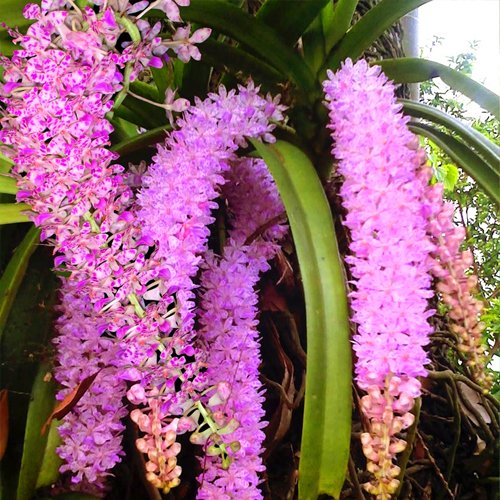
The Kopou plant of Assam is not just a flowering orchid—it is a living emblem of Assamese culture, tradition, and pride. Known botanically as Rhynchostylis retusa and commonly called the Foxtail Orchid, the Kopou flower holds a sacred place in the hearts of the people of Assam.
Kopou flowers are most famously worn by Assamese women during Rongali Bihu, tucked gracefully into the hair as a sign of joy, prosperity, and cultural pride. The cascading white and pink blossoms represent purity and renewal, making the plant an inseparable part of Assam’s identity.
Traditionally grown in home gardens and hung on trees or wooden mounts, the Kopou plant thrives in humid, subtropical climates like Assam’s. It blooms naturally during spring and early summer, aligning perfectly with the Bihu season. The plant requires indirect sunlight, good air circulation, and moderate watering—making it suitable for both experienced and beginner plant lovers.
From Bihu celebrations to folklore and feminine beauty, the Kopou plant represents far more than nature’s elegance—it represents identity.
🌼 What Is the Kopou Plant?
The Kopou plant is a tropical orchid native to Assam and other parts of Northeast India. It produces long, drooping clusters of white flowers with soft pink or purple accents, resembling a fox’s tail—hence the name Foxtail Orchid.
- Botanical name: Rhynchostylis retusa
- Local name: Kopou Phool
- Bloom season: Spring to early summer
- Natural habitat: Humid, forest-rich regions of Assam
🎊 Why Kopou Is Sacred in Assamese Culture
The Kopou flower is inseparably linked with Rongali Bihu, the Assamese New Year festival. During Bihu, women traditionally adorn their hair with fresh Kopou flowers, symbolizing:
- Purity and grace
- Renewal and fertility
- Cultural pride
- Feminine strength
In Assamese households, the blooming of the Kopou plant is seen as a sign that spring has truly arrived.
🌿 Kopou Plant and Assamese Identity
Unlike ornamental flowers grown for decoration alone, the Kopou plant carries emotional and cultural weight. It appears in:
- Bihu songs and dances
- Assamese literature and poetry
- Folk art and cultural imagery
For many Assamese people living outside the state, seeing a Kopou flower instantly evokes nostalgia and a deep connection to home.
🌱 How the Kopou Plant Grows Naturally
Traditionally, Kopou plants are not grown in soil like regular plants. They are:
- Mounted on trees or wooden planks
- Grown in shaded, airy environments
- Watered moderately with high humidity
This unique growth style reflects Assam’s forest-based ecosystem and traditional gardening practices.
🌏 Cultural Preservation in the Modern Age
As urbanization increases, traditional plants like the Kopou face the risk of being reduced to symbols rather than living traditions. Platforms like Assam Online Bazaar play an important role in spreading awareness about such cultural elements through blogs, stories, and educational content—helping preserve Assam’s natural heritage digitally.
🌼 Kopou vs Other Orchids: What Makes It Special?
While orchids are found worldwide, the Kopou plant stands apart because:
- It is culturally sacred, not decorative alone
- Its bloom aligns with Assam’s New Year
- It carries regional identity
This makes the Kopou plant a cultural artifact, not just a botanical one.
🌸 Final Thoughts
The Kopou plant of Assam is a reminder that plants can carry stories, emotions, and traditions. It is living proof that nature and culture are deeply intertwined in Assamese life.
Preserving knowledge about Kopou is as important as preserving the plant itself—because once traditions fade, symbols lose their meaning.
At Assam Online Bazaar, we source Kopou plants responsibly from local growers, ensuring authenticity and healthy root systems. By purchasing through Assam Online Bazaar, you are not only bringing home a rare and meaningful plant but also supporting traditional growers and preserving Assam’s floral heritage.
The Kopou plant is ideal for:
- Cultural and festive use
- Home gardens and balconies
- Orchid collectors
- Gifting with cultural significance
This is not a decorative imitation—this is the real Kopou plant of Assam, rooted in tradition and grown with care.