
Why Assamese Sticky Rice Is a Powerful Alternative for Sushi-Style Meals
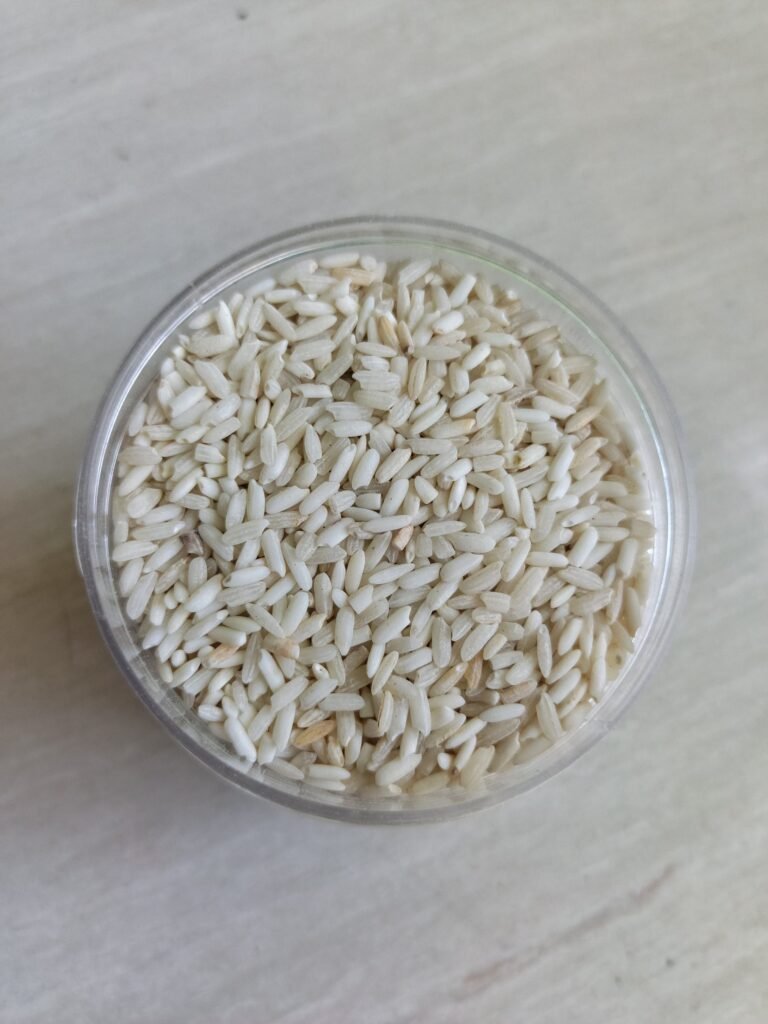
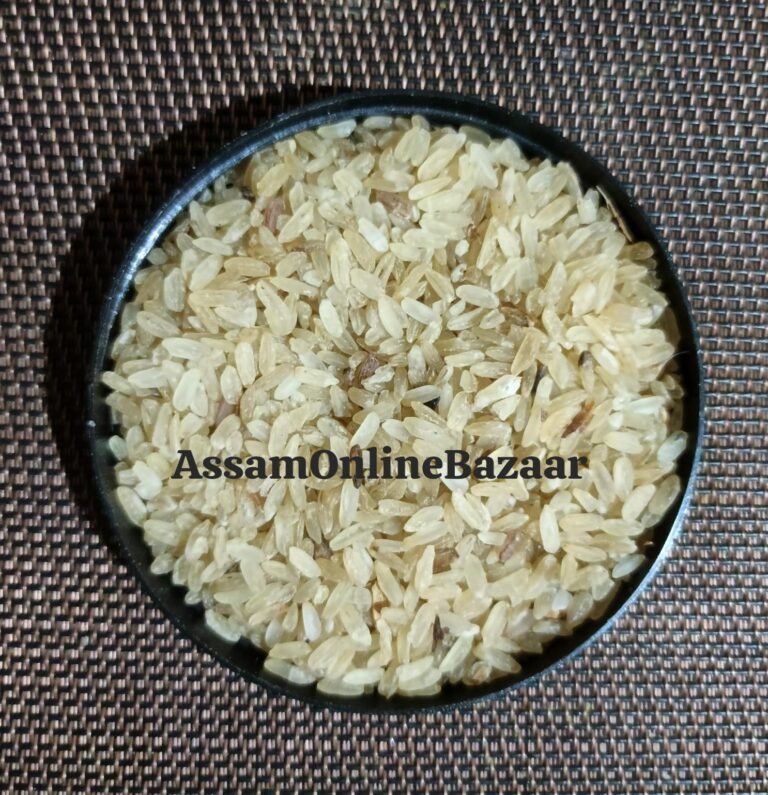
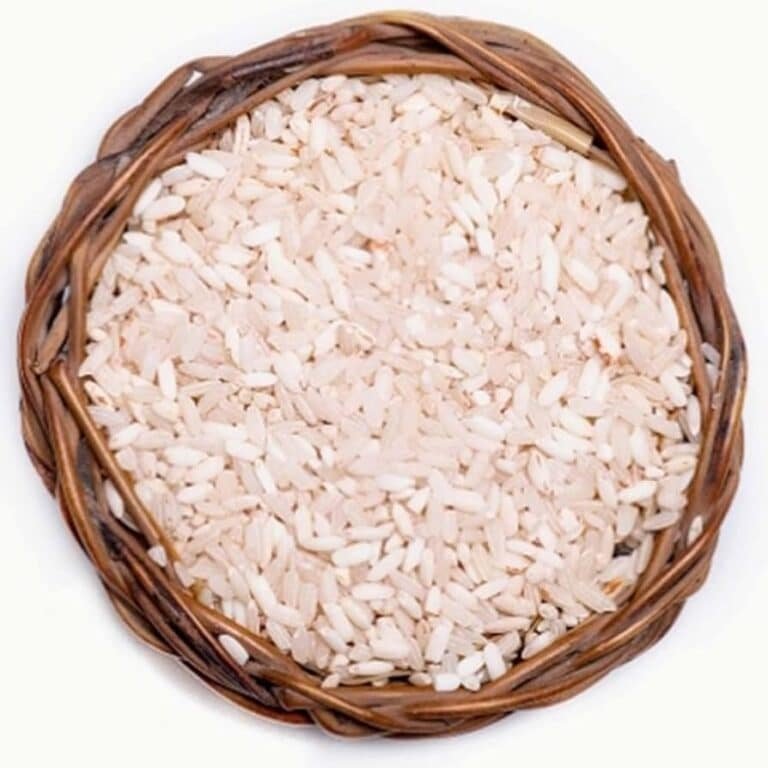
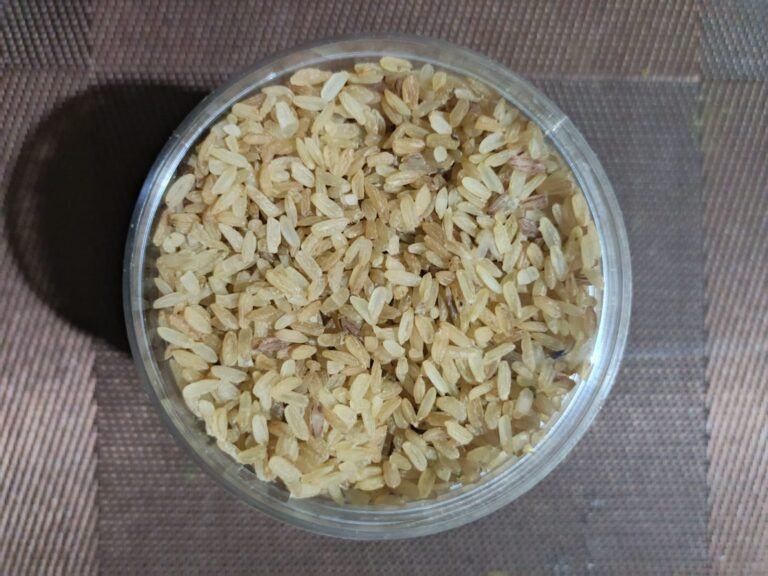
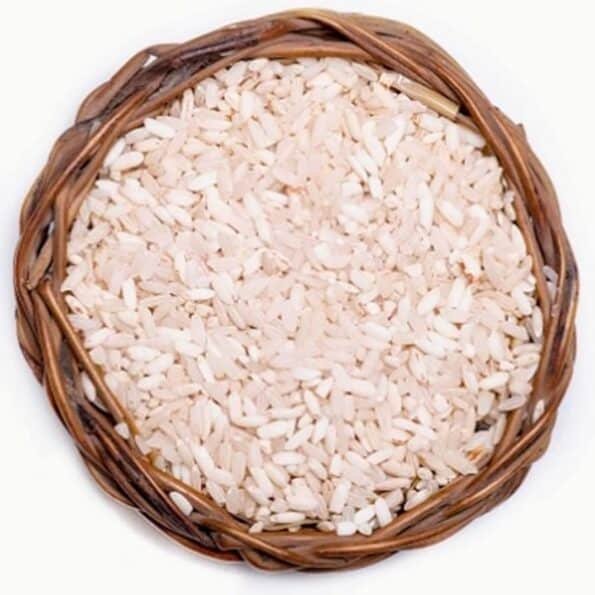
When people think of sushi, Japanese short-grain rice usually comes to mind. But there’s a lesser-known alternative from India’s North-East that works surprisingly well for sushi-style meals — Assamese Sticky Rice, locally known as Bora Saul.
With its natural stickiness, rich aroma, and chemical-free cultivation, Assamese sticky rice offers a unique and wholesome twist to sushi preparation.
1. Naturally Sticky — No Extra Processing Needed
One of the most important characteristics of sushi rice is its ability to stick together without becoming mushy. Assamese sticky rice has this quality naturally, thanks to its high amylopectin content.
Unlike regular rice that needs vinegar or sugar adjustments to bind properly, Bora Saul forms a firm yet soft texture on its own — making it ideal for:
- Sushi rolls
- Hand-pressed sushi (nigiri-style)
- Rice wraps and bowls
2. Mild Flavor That Complements Sushi Fillings
Assamese sticky rice has a subtle, slightly nutty taste. It doesn’t overpower ingredients like:
- Vegetables
- Seafood
- Paneer or tofu
- Seaweed or soy-based sauces
This makes it perfect for sushi-style meals where balance is everything.
3. Chemical-Free & Traditionally Grown
Most Assamese sticky rice varieties are:
- Traditionally cultivated
- Low in chemical usage
- Often grown by small farmers
For health-conscious consumers, this makes it a cleaner alternative to heavily processed rice varieties commonly used in packaged sushi kits.
4. Holds Shape Longer Than Regular Rice
Assamese sticky rice stays intact even after cooling, which is crucial for:
- Packed meals
- Bento-style lunch boxes
- Home sushi preparation without professional tools
The grains remain cohesive without turning dry or crumbly.
5. A Local, Sustainable Alternative to Imported Sushi Rice
Using Assamese sticky rice:
- Supports North-East Indian farmers
- Reduces dependency on imported Japanese rice
- Encourages sustainable, regional food choices
It’s a perfect fusion of local tradition and global cuisine.
6. Easy to Cook for Beginners
You don’t need special equipment or years of practice. With proper soaking and steaming or boiling, Assamese sticky rice delivers consistent results even for first-time sushi makers.
Basic tip:
Soak for 6–8 hours before cooking for best texture.
At Assam Online Bazaar, we bring authentic Assamese sticky rice directly from trusted farmers and traditional growers of Assam. Every batch is carefully sourced to preserve its natural texture, aroma, and cooking quality, ensuring you receive rice that performs consistently in both traditional Assamese dishes and modern sushi-style meals.
Assamese sticky rice is not just a culinary ingredient; it represents a food culture that values purity, sustainability, and time-tested farming practices. Its naturally gluten-free nature and minimal processing make it suitable for health-conscious households seeking clean and wholesome food options.
By choosing regional rice varieties like Bora Saul, you are also supporting local livelihoods and helping preserve indigenous crops that are slowly disappearing due to commercial farming. Assam Online Bazaar is committed to promoting such heritage foods by making them accessible to customers across India and worldwide through reliable packaging and delivery.
Whether you are experimenting with global cuisines at home or looking to add a unique local twist to sushi-style meals, Assamese sticky rice offers a perfect balance of functionality, nutrition, and authenticity
Conclusion
Assamese sticky rice proves that sushi isn’t limited by geography. Its natural stickiness, clean taste, and traditional farming methods make it an excellent choice for sushi-style meals at home.
If you’re looking to experiment with healthier, locally sourced ingredients while enjoying global flavors, Assamese sticky rice is a perfect place to start.